
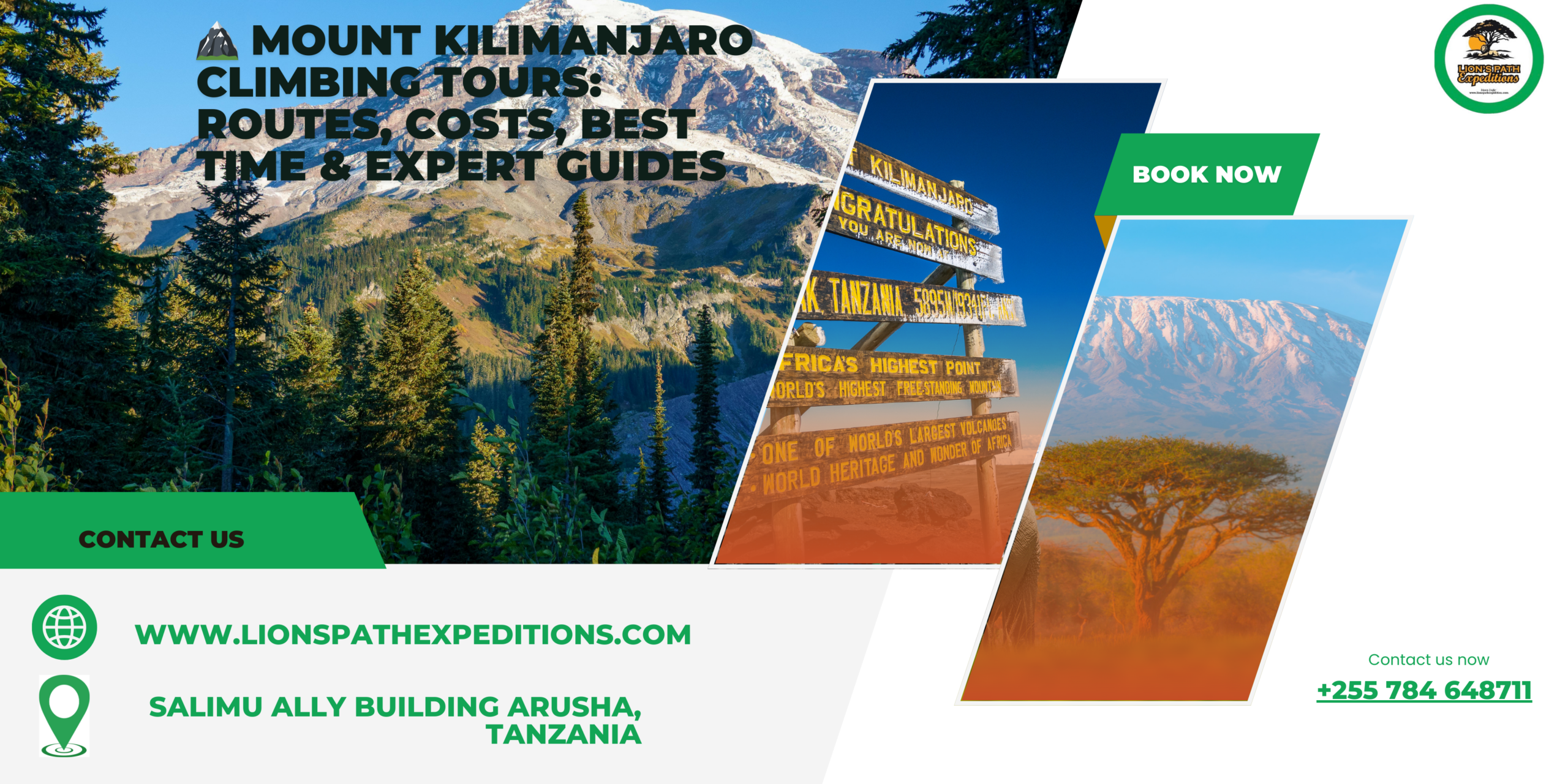
imbing Mount Kilimanjaro is a once-in-a-lifetime adventure that takes you to the highest peak in Africa at 5,895 meters. With the right route, proper preparation, and expert support, your summit journey can be safe, successful, and unforgettable.
Located in Tanzania, Mount Kilimanjaro attracts over 30,000 trekkers annually. Whether you are planning Kilimanjaro trekking tours for adventure, achievement, or personal transformation, choosing the right guidance makes all the difference.
Why Choose Mount Kilimanjaro Climbing Tours?
Professional Kilimanjaro guided climbs provide structure, safety, and logistical expertise. Unlike technical mountaineering peaks, Kilimanjaro is a non-technical climb, meaning no ropes or climbing experience are required — but altitude and endurance preparation are essential.
Benefits of Guided Kilimanjaro Trekking Tours:
- Professional mountain guides trained in altitude safety
- Structured acclimatization schedules
- High-quality camping or lodge support
- Nutritious meals prepared on the mountain
- Emergency oxygen and safety monitoring
- Ethical porter treatment and fair wages
Choosing a reliable operator like Lions Path Expeditions ensures compliance with Tanzanian park regulations and high summit success rates. You can explore detailed climb options here:
Popular Kilimanjaro Routes Explained
Different routes offer varied scenery, difficulty levels, and success rates. Here are the most popular climb Mount Kilimanjaro packages:
1. Machame Route (Whiskey Route)
- Duration: 6–7 days
- Difficulty: Moderate to challenging
- Success rate: High (with 7-day option)
- Scenic diversity: Rainforest to alpine desert
Ideal for trekkers seeking dramatic landscapes and strong acclimatization.
2. Marangu Route (Coca-Cola Route)
- Duration: 5–6 days
- Accommodation: Mountain huts
- Difficulty: Moderate
- Budget-friendly option
The only route offering hut accommodation instead of tents.
3. Lemosho Route
- Duration: 7–8 days
- Excellent acclimatization
- Fewer crowds early in the trek
Considered one of the best Kilimanjaro trekking tours for summit success.
4. Rongai Route
- Approaches from the north near Kenya
- Drier climate
- Good for rainy season climbs
5. Northern Circuit
- Duration: 8–9 days
- Highest success rate
- Least crowded
Perfect for climbers prioritizing acclimatization and comfort.
How Much Does It Cost to Climb Mount Kilimanjaro?
The cost of climb Mount Kilimanjaro packages varies based on route length, group size, and service level.
Average Price Range:
- Budget climbs: $1,800 – $2,200
- Mid-range packages: $2,500 – $3,500
- Premium/private climbs: $4,000+
What’s Included?
- Park fees (significant portion of cost)
- Certified mountain guides
- Porters and cooks
- Camping equipment
- Meals and drinking water
- Transfers to/from hotel
Avoid extremely cheap operators, as they may compromise porter welfare or safety standards.
Best Time to Climb Mount Kilimanjaro
Kilimanjaro can be climbed year-round, but certain months offer better conditions.
Best Seasons:
- January to March – Cooler, fewer crowds
- June to October – Dry season, most popular
Rainy Seasons:
- April–May (long rains)
- November (short rains)
Clear skies increase summit visibility and overall experience quality.
Physical Preparation & Fitness
Climbing Kilimanjaro is more about endurance than strength.
Recommended Preparation:
- 8–12 weeks of cardio training
- Long hikes with elevation gain
- Strength training for legs and core
- Practice hiking with a backpack
Altitude sickness is the main challenge, not steep terrain. Slow ascent and hydration are key.
What to Pack for Kilimanjaro Guided Climbs
Layering is essential due to extreme temperature variations.
Essential Gear:
- Insulated down jacket
- Waterproof shell jacket
- Thermal base layers
- High-quality hiking boots
- Headlamp for summit night
- Gloves, hat, and neck gaiter
Most operators provide sleeping tents, but personal gear quality significantly impacts comfort.
Summit Night: What to Expect
Summit night begins around midnight from high camp. Trekkers hike slowly in freezing temperatures to reach Uhuru Peak at sunrise.
Expect:
- 6–8 hours uphill in darkness
- Temperatures as low as -10°C to -20°C
- Emotional and physical challenge
Reaching Uhuru Peak is a powerful accomplishment — standing on the Roof of Africa is unforgettable.
Why Book with Professional Experts?
Reliable operators offer:
- Licensed and experienced mountain guides
- Daily health checks
- Oxygen systems
- Rescue protocols
- Ethical porter treatment
If you’re planning Kilimanjaro trekking tours, working with experienced professionals like Lions Path Expeditions ensures safety, preparation, and strong summit support.
Explore route details and customized climb Mount Kilimanjaro packages here:
Combining Kilimanjaro with Safari
Many climbers extend their trip with:
- Wildlife safaris in Serengeti National Park
- Ngorongoro Crater tours
- Zanzibar beach holidays
This combination makes Tanzania one of Africa’s most complete adventure destinations.
Final Thoughts
Mount Kilimanjaro climbing tours offer adventure, achievement, and breathtaking landscapes. Whether you choose Lemosho for acclimatization, Machame for scenery, or Northern Circuit for high success rates, preparation and expert guidance are essential.
With the right Kilimanjaro guided climbs, your dream of reaching Africa’s highest peak can become a life-changing reality.
FAQ
1. How much does it cost to climb Mt Kilimanjaro?
The average cost ranges from $1,800 to $4,000 depending on route, duration, and service level.
2. What is the best route for climbing Mt Kilimanjaro?
The Lemosho and Northern Circuit routes offer the highest summit success rates due to better acclimatization schedules.
3. When is the best time to climb Mount Kilimanjaro?
January–March and June–October are the best seasons due to dry weather and clearer summit views.
4. Do I need technical climbing skills for Kilimanjaro?
No, Kilimanjaro is a non-technical trek, but good physical fitness and endurance are required.
5. How long does it take to climb Mt Kilimanjaro?
Most Kilimanjaro trekking tours last between 5 and 9 days depending on the chosen route.