
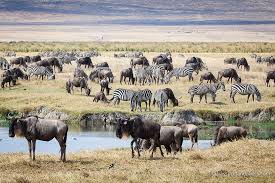
There is a certain magic that happens just before dawn on the Serengeti plains. The air is cool, carrying the faint scent of acacia blossoms and distant rain. Your guide cuts the engine. Silence falls — and then, from across the golden grass, a lion roars. That single, earthshaking sound is why people travel thousands of miles for tanzania safari holidays, and it is why those who go once almost always return. But what really goes on behind the curtain of a Tanzanian safari? Let’s take a sneaky peek.
The Early Morning Reality of a Tanzania Safari Vacation
Most travellers booking Tanzania safari vacations picture languid mornings and dramatic sunsets. The reality is actually better — but it starts far earlier than you might expect. Game drives typically begin at 6:00 AM, which means rousing yourself from a warm tent or lodge room while the sky is still inky black. Your guide has been awake since 5:00 AM, checking radio communications with other guides across the park, noting where lions were spotted the night before and tracking weather conditions that could affect animal movement.
The vehicles used on safari are specially adapted 4x4s with pop-up roofs for unobstructed wildlife viewing. Before you climb in, your guide has already checked the tyre pressure, fuel levels, and packed emergency equipment. They carry everything from first-aid kits to jumper cables — the bush is unpredictable, and preparation is everything.
Guides: The Unsung Heroes of Every Safari
Behind every breathtaking wildlife encounter is a guide with years of accumulated knowledge. Licensed safari guides in Tanzania undergo rigorous certification, studying animal behaviour, ecology, local history, and first aid. Many speak four or more languages and can identify over 500 bird species by call alone. They read tracks left in the dust the way others read a newspaper.
What guests rarely see is the constant coordination happening behind the scenes. Guides communicate across the park via radio, sharing sightings in a spirit of cooperation that ultimately benefits every visitor. When you witness a cheetah hunt or a pride of lions feasting at dawn during your Tanzania travel safari, there is a good chance your guide received a tip from a colleague ten minutes earlier.
The Perfect Blend: Tanzania Beach and Safari
One of the most sought-after experiences in East Africa is combining a classic game-viewing itinerary with time on the Indian Ocean coast. A Tanzania beach and safari package typically sees travellers spending several days in parks such as the Serengeti or Ngorongoro Crater before transferring to the dazzling beaches of Zanzibar. What guests don’t always realise is the logistical complexity that makes these seamless transitions possible.
Light aircraft transfers between airstrips, coordinated check-ins at beach resorts, and meticulous packing advice (lightweight luggage is essential for bush planes) are all managed in advance. The contrast between dust and salt air, between predator-stalked grasslands and coral-reef snorkelling, is extraordinary — and entirely by design.
Climbing the Roof of Africa: Tanzania Kilimanjaro Tours
Not every Tanzania adventure takes place from the window of a Land Cruiser. For those drawn to altitude and effort, Tanzania Kilimanjaro tours offer a completely different behind-the-scenes story. Mount Kilimanjaro, at 5,895 metres, is the highest peak in Africa, and summiting it requires a support team of astonishing proportions.
For every climber on the mountain, there are typically between four and six support staff — guides, assistant guides, porters, cooks, and camp crew. These teams carry equipment weighing up to 20 kilograms per porter, often wearing simple canvas shoes at altitude. They set up camp before climbers arrive, prepare hot meals at 4,800 metres, and monitor every trekker for signs of altitude sickness. Their quiet, largely invisible effort makes every summit possible.
Zanzibar: The Spice Island Chapter
No piece on Tanzania would be complete without Zanzibar. The archipelago off the coast of Dar es Salaam has been a crossroads of trade, culture, and cuisine for centuries. When travellers combine their Tanzania Zanzibar extension with a mainland safari, they discover a destination that is equal parts history and hedonism. Stone Town, a UNESCO World Heritage Site, hides carved wooden doors, narrow labyrinthine alleyways, and rooftop restaurants serving fragrant seafood curries.
Behind the scenes, Zanzibar runs on a different rhythm than the national parks. Dhow fishing boats still set sail at low tide using centuries-old techniques. Spice farm guides lead tours through groves of cloves, vanilla, and black pepper, peeling back layers of colonial history with every stop. The beach resort industry, meanwhile, has invested heavily in coral reef conservation, with several hotels running active reef restoration programmes.
Conservation: The Effort That Keeps the Magic Alive
What the glossy brochures rarely show is the conservation infrastructure underpinning every safari experience. Tanzania is home to some of the largest intact wildlife ecosystems on Earth, including the Serengeti-Mara ecosystem, the Ngorongoro Conservation Area, and Ruaha National Park. Maintaining these requires anti-poaching patrols, community wildlife benefit programmes, and ongoing scientific monitoring.
Many camps and lodges channel a portion of their revenues directly into conservation and community projects — funding schools, clean water programmes, and livestock compensation schemes that reduce human-wildlife conflict. When you book a safari with a responsible operator, you are participating in an ecosystem of care that extends far beyond the game drive itself.
What to Expect: Practical Behind-the-Scenes Tips
Whether you are planning tanzania safari holidays for the first time or returning for a deeper experience, a few behind-the-scenes realities are worth knowing. Pack neutral-coloured clothing — khaki, olive, and tan are ideal — as bright colours can unsettle wildlife. Bring a good pair of binoculars; your guide’s eyes are sharp, but yours will improve dramatically with optical aid.
For those combining Tanzania safari vacations with beach time, consider ending with Zanzibar rather than beginning there. The decompression from the intensity of the bush into the gentle pace of the coast is deeply satisfying. And whenever possible, rise early. The first light of a Tanzanian morning, falling golden across the plains or the sea, is worth every minute of sleep surrendered.
Plan Your Tanzania Adventure with Lions Path Expeditions
Every detail described in this article — the pre-dawn radio checks, the seamless beach-and-bush transitions, the summit support teams on Kilimanjaro — represents years of expertise and passion. At Lions Path Expeditions, we believe that understanding what goes on behind the scenes makes every moment in front of them richer. Whether your dream is tanzania safari holidays in the Serengeti, a combined Tanzania beach and safari itinerary, challenging Tanzania Kilimanjaro tours, or a languid week on Tanzania Zanzibar after the dust of the plains — we are here to make it extraordinary.
Visit us at lionspathexpeditions.com to start planning your journey.