
There’s a particular kind of panic that sets in at the airport when you realize you’ve forgotten something critical — sunscreen, your camera battery charger, or worse, your malaria medication. I’ve seen it happen. And trust me, when you’re about to embark on a tanzania safari vacation deep in the Serengeti, the nearest pharmacy is not a quick Uber ride away.
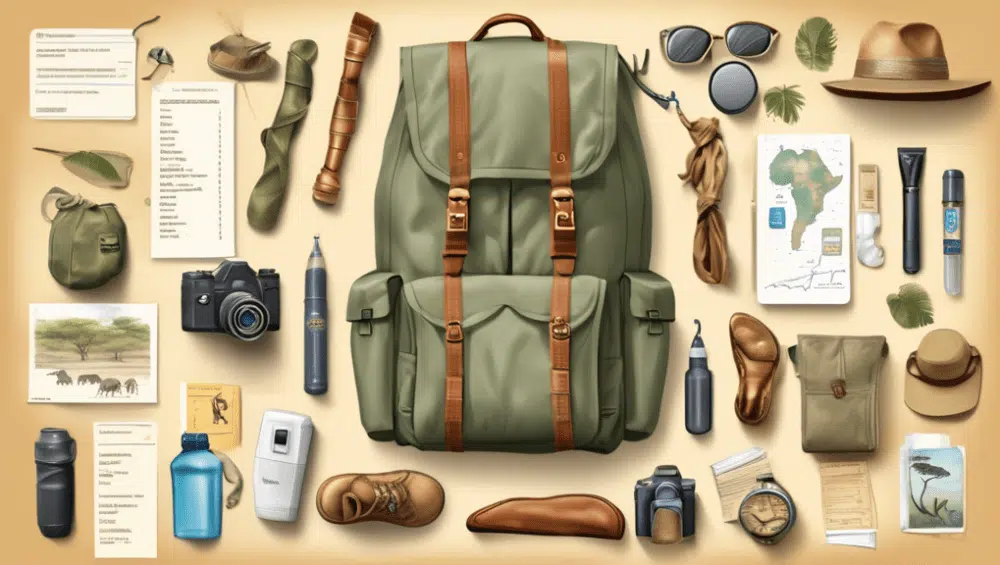
After years of helping travelers plan unforgettable tanzania travel packages, our team at Lions Path Expeditions has put together the definitive packing list for anyone heading to East Africa. Whether you’re joining us on a classic safari tanzania zanzibar combo, trekking up on a tanzania kilimanjaro tour, or spending your days on a blissful tanzania beach and safari escape — this guide has you covered.
Pack smart, pack light, and let’s get you out there.
1. Clothing: The Art of Dressing for the Bush
Packing clothes for a safari isn’t about fashion — it’s about function. The African bush has its own dress code, and it’s written by the sun, the dust, and the insects.
What to Bring:
- Neutral-colored clothing (khaki, olive, beige, tan) — avoid bright colors and white, which attract insects and show dust instantly
- 3–4 lightweight long-sleeved shirts — essential for sun protection and mosquito defense during evening game drives
- 2–3 pairs of quick-dry trousers or zip-off pants — incredibly versatile for both bush walks and casual evenings
- 1 pair of shorts for relaxed afternoons at the camp
- A lightweight fleece or warm jacket — early morning game drives in the Serengeti can be surprisingly cold, especially between June and October
- A wide-brimmed hat or baseball cap — non-negotiable when you’re standing through a roof hatch watching lions
- Comfortable walking shoes or boots with ankle support — especially critical if you’re combining your trip with a tanzania kilimanjaro tour
- Flip-flops or sandals for relaxing around the lodge or at the beach on your tanzania beach and safari extension
- 1–2 smart-casual outfits if your itinerary includes Zanzibar — Stone Town has a modest dress culture worth respecting
Pro tip from our guides: Bring a buff or lightweight scarf. On bumpy game drives, it doubles as dust protection for your face and can be used as an extra layer in cool morning air.
2. Health & Medical Essentials
Your health is the one thing you absolutely cannot compromise on a safari. Being hours from the nearest hospital is a reality for many parts of Tanzania, so preparation is everything.
Medical Must-Haves:
- Antimalarial medication — consult your doctor before travel; options include Malarone, Doxycycline, or Lariam
- Personal prescription medications — bring more than you think you’ll need, plus a copy of your prescription
- High-DEET insect repellent (at least 30–50% DEET) — apply every evening without fail
- Sunscreen SPF 50+ — the African sun is intense; reapply often, especially during open-vehicle game drives
- After-sun lotion or aloe vera gel — your skin will thank you
- Antihistamines — for unexpected allergic reactions to plants, insects, or dust
- Imodium and rehydration salts — stomach issues can happen even with careful eating
- A basic first aid kit — plasters, antiseptic wipes, tweezers, and blister treatment
- Motion sickness tablets if you’re prone to it on bumpy dirt roads
If you’re combining your safari with a tanzania kilimanjaro tour, also bring altitude sickness tablets (Diamox) as recommended by your doctor. Altitude sickness is real and can affect anyone regardless of fitness level.
3. Safari Gear & Equipment
This is the fun part. The right gear transforms your experience from good to genuinely unforgettable.
Photography & Optics:
- Binoculars (8×42 or 10×42) — perhaps the single most impactful item you can bring; they let you observe wildlife behavior at a distance the camera simply can’t capture
- Camera with a zoom lens (200mm or more for wildlife photography)
- Extra memory cards and batteries — there’s no charging between drives in many camps
- A dust-proof camera bag or zip-lock bags — Serengeti dust is very fine and gets into everything
- A phone mount or GorillaPod for steady shots from the vehicle
Practical Gear:
- A good headlamp with extra batteries — camps can be very dark at night and wildlife moves through
- Power bank (10,000–20,000mAh) — many safari vehicles and camps have limited charging
- Universal travel adapter
- A dry bag or waterproof pouch for boat safaris or transfers
- A small daypack for carrying your daily essentials on game drives
4. Documents, Money & Practical Admin
This is the section people almost always forget to think carefully about — until something goes wrong.
Paperwork Checklist:
- Valid passport with at least 6 months validity beyond your travel dates
- Tanzania visa — most nationalities can obtain one on arrival or apply online in advance via the Tanzania e-Visa portal (we strongly recommend doing this ahead of time)
- Yellow fever vaccination certificate — required if you’re traveling from a yellow fever endemic country
- Printed copies of your travel insurance, booking confirmations, and emergency contacts
- A copy of your itinerary from Lions Path Expeditions with all accommodation details and guide contacts
Money:
- US Dollars cash in small denominations — widely accepted across Tanzania for tips, souvenirs, and emergencies
- A credit card as backup (Visa is most widely accepted)
- Budget for tipping — tipping your guide and camp staff is customary and genuinely appreciated
A note on tips: If you’re on one of our all-inclusive tanzania safari holidays or tanzania travel packages, we provide a tipping guide so you always know the right amount for each person — from your lead guide to the kitchen staff who fed you so well.
5. Zanzibar Beach Essentials (For Tanzania Beach and Safari Travelers)
A growing number of our guests are choosing to extend their tanzania safari vacation with a few nights on the spice-scented island of Zanzibar — and honestly, why wouldn’t you? Pristine white sand, turquoise water, and world-class seafood. But Zanzibar has its own packing needs.
- Lightweight beach cover-ups — Zanzibar is predominantly Muslim; modest dress is appreciated away from the beach
- Reef-safe sunscreen — the coral reefs around Zanzibar are extraordinary and worth protecting
- Snorkeling mask and fins — you can hire them locally, but your own will always fit better
- A light linen shirt or kaftan for evenings in Stone Town
- Mosquito repellent — the coast has mosquitoes too, especially at dusk
- A small waterproof bag for boat trips and water taxis
Our most popular safari tanzania zanzibar packages typically end in Zanzibar after the mainland safari — it’s the perfect way to decompress after the intensity of the bush with a few blissful beach days.
6. What NOT to Pack (Leave This at Home)
Knowing what not to bring is just as important as knowing what to pack.
- Camouflage clothing — it’s illegal in Tanzania and several other African countries; stick to earth tones
- Heavy luggage — most light aircraft transfers between camps have a 15kg (33lbs) soft bag limit; pack accordingly
- Excessive jewelry or valuables — you simply won’t need them, and they attract unnecessary attention
- Strong perfumes or colognes — wildlife has sensitive noses; unscented products are safer on game drives
- Drones — you need special permits to fly drones in Tanzania’s national parks; don’t risk having equipment confiscated
Ready to Start Packing?
Planning a trip to Tanzania is one of the most exciting things you’ll ever do — and getting the packing right means you can focus entirely on the experience when you’re there. Standing in an open vehicle as a cheetah lopes past fifty feet away, watching the Great Migration pour across the Mara River, or sipping a sundowner with Mount Kilimanjaro glowing behind you… those moments deserve your full attention.
At Lions Path Expeditions, we’ve been crafting bespoke tanzania travel packages for travelers who want the real Africa — not the sanitized version. From classic Tanzania safari holidays to multi-week adventures combining the bush, the beach, and the mountain, we design every trip around what matters most to you.
Get in touch with our team today to start planning your Tanzania safari vacation — and we’ll make sure you show up with everything you need.
Frequently Asked Questions
We get asked these questions by almost every traveler before they set off on their Tanzania adventure. Here are the honest answers.
Q1: What is the best time of year for a Tanzania safari vacation?
Tanzania is a year-round destination, but the timing really depends on what you want to see. The dry season (June to October) is considered peak safari season — wildlife concentrates around water sources, making game viewing exceptional. This is also when the Great Migration reaches the Masai Mara crossing in the north. The green season (November to May) offers fewer crowds, lower rates on tanzania travel packages, and beautiful landscapes with newborn animals — but some roads can be challenging. If you’re combining a safari tanzania zanzibar trip, the beach is glorious almost any time of year, though the long rains in April and May are best avoided.
Q2: How do I choose between different Tanzania travel packages?
The right package really depends on three things: how much time you have, what experiences matter most to you, and your budget. A pure wildlife focus would take you to the Serengeti and Ngorongoro Crater. If you want to add altitude, a tanzania kilimanjaro tour can be combined with a 3–5 day safari extension. For the most well-rounded experience, our tanzania beach and safari packages give you the best of both worlds — the wild interior followed by a relaxing coastal finale in Zanzibar. We always recommend at least 7–10 days minimum to truly settle into the rhythm of Africa. Shorter trips can feel rushed. Our team at Lions Path Expeditions will work with your schedule and priorities to build the right itinerary.
Q3: Is Tanzania safe for first-time safari travelers?
Tanzania is one of the safest safari destinations in Africa and welcomes hundreds of thousands of international visitors every year. The national parks are well-managed, and organized tanzania safari holidays through reputable operators like Lions Path Expeditions come with experienced guides who are trained in both wildlife safety and first aid. The main health considerations are malaria prevention and sun protection — both very manageable with the right preparation. Zanzibar is equally safe and has a long tradition of welcoming international visitors. As with any international travel, common-sense precautions apply: don’t flash expensive valuables, respect local customs, and follow your guide’s instructions in the bush.
Q4: What is the luggage limit on Tanzania safaris?
This is one of the most frequently overlooked details. If your Tanzania safari holidays itinerary includes internal bush flights — which most do — strict luggage limits apply. Most light aircraft between camps allow a maximum of 15kg (33lbs) in a soft-sided bag only (no hard-shell suitcases or wheeled luggage). This isn’t just a suggestion; overweight bags may not be loaded. The good news is that 15kg is genuinely enough if you pack light, breathable clothing and share bulky items like sunscreen. If you’re starting or ending your trip on the coast for a safari tanzania zanzibar experience, you can usually store excess luggage at your first hotel in Arusha or Dar es Salaam.
Q5: Do I need a visa to visit Tanzania, and how do I apply?
Most nationalities require a visa to enter Tanzania. The good news is it’s straightforward — Tanzania offers an e-Visa system where you can apply online before travel, which is what we strongly recommend. The cost is currently USD $50 for most nationalities. You can also obtain a visa on arrival at Julius Nyerere International Airport in Dar es Salaam or at Kilimanjaro International Airport, but lines can be long and it’s better to have it sorted in advance. If you’re planning a tanzania beach and safari trip that includes Zanzibar, your Tanzania mainland visa covers Zanzibar as it’s part of Tanzania. Citizens of East African Community countries (Kenya, Uganda, Rwanda, Burundi, South Sudan) do not require a visa. Always check the latest requirements with your Lions Path Expeditions travel consultant before departure, as visa policies can change.